News

How Does an Espresso Coffee Machine Solve Everyday Brewing Challenges?

2026-02-25 15:20:11

Article Summary

An espresso coffee machine is no longer reserved for cafés or professional baristas. As expectations for coffee quality continue to rise, homes, offices, and small commercial spaces increasingly rely on espresso machines to deliver consistency, efficiency, and flavor control. This article explains how an espresso coffee machine addresses common brewing pain points, such as unstable extraction, inconsistent taste, time inefficiency, and maintenance concerns. It also provides a structured overview of machine components, performance criteria, and selection guidance to support informed purchasing decisions.

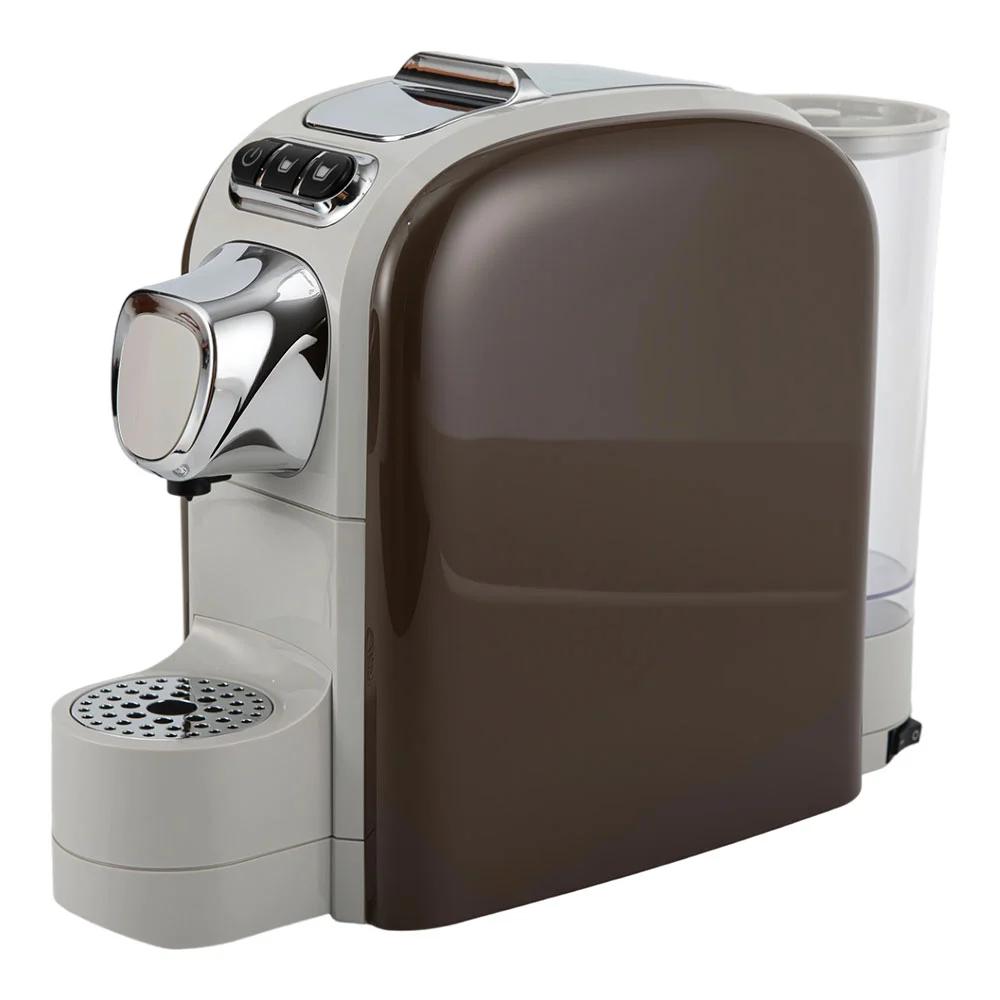
Italian Espresso Coffee Machine


Table of Contents

  • Understanding Modern Espresso Coffee Machines
  • Key Pain Points in Traditional Coffee Brewing
  • How an Espresso Coffee Machine Addresses These Challenges
  • Core Components and Their Functions
  • Technical Parameters to Evaluate Before Purchase
  • Application Scenarios and User Profiles
  • Maintenance, Reliability, and Long-Term Value
  • Frequently Asked Questions
  • Conclusion and Next Steps

Understanding Modern Espresso Coffee Machines

An espresso coffee machine is a precision brewing system designed to extract coffee under controlled pressure and temperature within a short time frame. Unlike drip or immersion methods, espresso brewing relies on finely ground coffee, compacted into a portafilter, and exposed to pressurized hot water. This process produces a concentrated beverage characterized by rich aroma, balanced acidity, and a stable crema layer.

Modern espresso coffee machines integrate mechanical engineering, electronic control systems, and thermal management to deliver repeatable results. Advances in pump technology, temperature stabilization, and automated controls have significantly reduced the learning curve for users while improving beverage consistency.


Key Pain Points in Traditional Coffee Brewing

Many users encounter recurring challenges when relying on manual or low-control brewing methods. These issues often lead to dissatisfaction, wasted ingredients, and inconsistent outcomes.

  • Unstable water temperature affecting extraction quality
  • Inconsistent pressure leading to under- or over-extracted coffee
  • Time-consuming preparation during peak usage periods
  • Limited control over flavor strength and texture
  • Difficulty achieving café-level results repeatedly

These pain points are especially noticeable in environments where efficiency and quality must coexist, such as offices, hospitality venues, or households with multiple coffee drinkers.


How an Espresso Coffee Machine Addresses These Challenges

An espresso coffee machine is engineered to eliminate variability from the brewing process. By standardizing key parameters, the machine transforms coffee preparation into a controlled and predictable operation.

  • Pressure Control: Built-in pumps deliver stable pressure to ensure even extraction.
  • Thermal Stability: Dedicated heating systems maintain precise water temperature.
  • Workflow Efficiency: Fast heat-up times and automated functions reduce waiting time.
  • Repeatability: Programmable settings allow consistent results across multiple servings.

These features collectively reduce dependence on user technique and experience, making high-quality espresso accessible to a broader range of users.


Core Components and Their Functions

Understanding the internal structure of an espresso coffee machine helps clarify how it delivers performance and reliability.

Component Function
Water Pump Generates consistent pressure for espresso extraction
Heating System Maintains stable water and steam temperatures
Group Head Distributes hot water evenly across coffee grounds
Portafilter Holds ground coffee during extraction
Control Interface Allows users to adjust brewing parameters

The integration and calibration of these components directly influence extraction quality and machine longevity.


Technical Parameters to Evaluate Before Purchase

Selecting an espresso coffee machine requires attention to measurable technical indicators rather than appearance alone.

  • Rated pump pressure and pressure stability
  • Heating capacity and recovery time
  • Water tank or direct plumbing configuration
  • Material quality of internal and external components
  • Energy efficiency and operational noise level

Machines developed by manufacturers such as :content Reference focus on balancing performance parameters with durability to meet both domestic and light commercial requirements.


Application Scenarios and User Profiles

An espresso coffee machine adapts to multiple usage contexts due to its scalable design and functional flexibility.

  • Home Users: Seeking café-style beverages with minimal manual intervention
  • Offices: Requiring fast, consistent output for multiple users
  • Hospitality Settings: Demanding reliability during continuous operation
  • Specialty Retail: Prioritizing flavor consistency and workflow efficiency

By matching machine capacity and feature sets to the intended environment, users can optimize both cost and performance.


Maintenance, Reliability, and Long-Term Value

Long-term satisfaction with an espresso coffee machine depends on maintenance design and component quality. Machines with accessible internal layouts, clear cleaning routines, and durable materials reduce downtime and extend service life.

Regular descaling, gasket inspection, and group head cleaning help preserve extraction quality. Choosing a machine engineered for maintenance efficiency minimizes operational interruptions and protects the initial investment.


Frequently Asked Questions

Is an espresso coffee machine suitable for beginners?

Yes. Modern machines incorporate automated controls and preset programs that reduce the need for advanced brewing skills.

How long does it take to prepare one cup of espresso?

Once heated, most machines can complete extraction within 25–30 seconds per cup.

Does machine size affect performance?

Performance is determined by internal components rather than size alone. Compact machines can deliver professional-level results when properly designed.


Conclusion and Next Steps

An espresso coffee machine addresses the core challenges of traditional coffee brewing by delivering control, consistency, and efficiency. Through  ZheJiang Seaver Intelligent Technology Co., Ltd. stable pressure, accurate temperature management, and integrated automation, it enables users to achieve reliable results across different environments.

For buyers seeking dependable espresso solutions with balanced performance and durability, evaluating machine structure, technical parameters, and manufacturer expertise is essential. To explore tailored espresso coffee machine options and professional support, contact us today and discover how the right solution can elevate your coffee experience.

Related News
We use cookies to offer you a better browsing experience, analyze site traffic and personalize content. By using this site, you agree to our use of cookies. Privacy Policy
Reject Accept