News

How Does an Espresso Coffee Machine Work?

2026-01-14 13:44:40

Abstract

An espresso coffee machine is at the core of modern coffee preparation, yet many buyers struggle to understand how it works, how to select the right configuration, and how different technologies affect daily use, taste consistency, and long-term reliability. This in-depth article explains the operating principles of an espresso coffee machine, key components, brewing workflows, and common challenges faced by users in commercial and home environments. By clarifying technical details in a practical and structured manner, this guide helps readers make informed decisions and avoid costly mistakes when investing in espresso equipment.

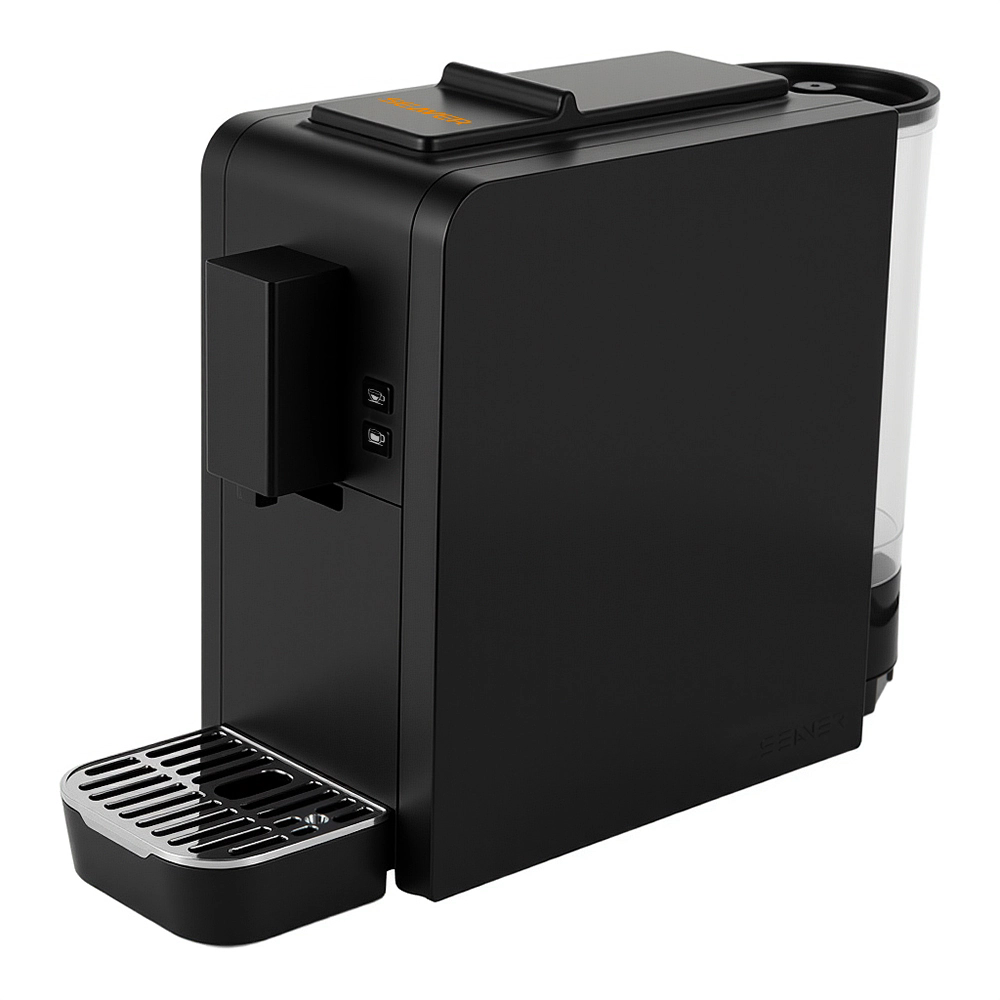
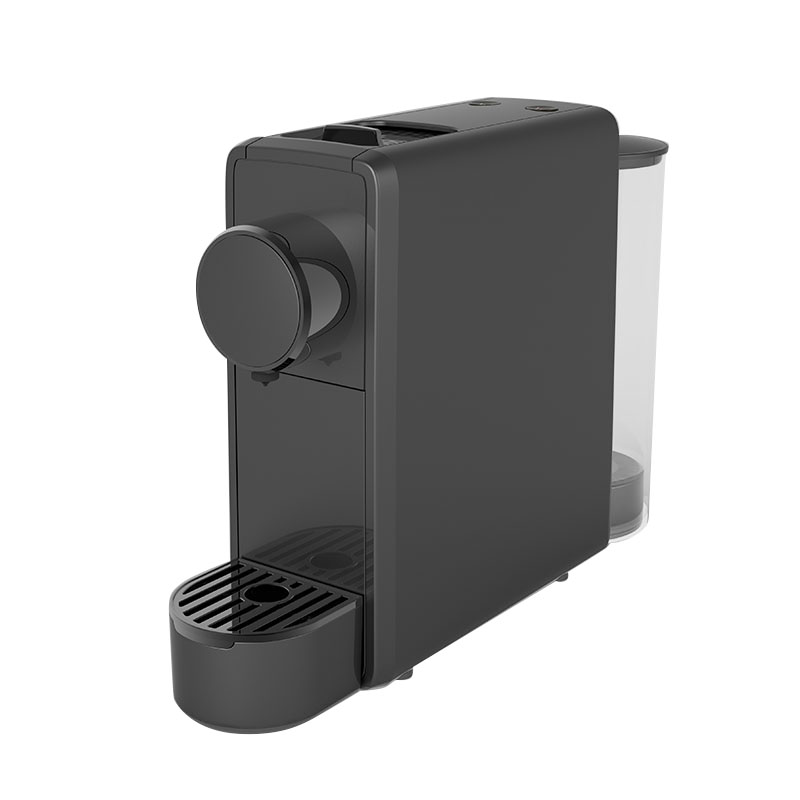
Espresso Machines for Home Baristas


Table of Contents


Article Outline

  1. Explain the fundamental concept of espresso extraction
  2. Break down the internal structure of an espresso coffee machine
  3. Describe how pressure, temperature, and timing interact
  4. Compare different machine categories and use scenarios
  5. Address real-world concerns such as stability, cleaning, and durability
  6. Provide practical guidance for selecting suitable equipment

What Is an Espresso Coffee Machine

An espresso coffee machine is a specialized brewing device designed to force hot water through finely ground coffee under controlled pressure. Unlike drip or immersion methods, espresso extraction relies on precision. Pressure, water temperature, grind size, and extraction time must work together to produce a concentrated beverage with a stable crema layer.

Modern espresso coffee machines are widely used in cafés, restaurants, offices, and increasingly in residential kitchens. While external designs may vary, the internal working logic remains consistent: deliver stable heat, generate sufficient pressure, and maintain repeatable brewing conditions.


Core Components and Their Roles

Understanding the internal structure of an espresso coffee machine helps users evaluate quality and performance. The following table outlines the primary components and their functions.

Component Function
Boiler or Heating System Heats water and maintains brewing temperature stability
Pump Generates pressure to force water through coffee grounds
Group Head Distributes hot water evenly over the coffee puck
Portafilter Holds ground coffee during extraction
Control System Regulates temperature, pressure, and extraction time

Manufacturers such as Zhejiang Seaver Intelligent Technology Co., Ltd focus on optimizing these components to improve operational consistency and reduce failure rates in high-frequency use environments.


Step-by-Step Brewing Process

The brewing process of an espresso coffee machine follows a precise sequence. Each step influences flavor, aroma, and mouthfeel.

  • Water is heated to a controlled temperature range
  • The pump builds pressure, typically around nine bars
  • Hot water passes through compacted coffee grounds
  • Soluble compounds are extracted within a short time window
  • The finished espresso flows into the cup with crema formation

Consistency during this process is critical. Variations in pressure or temperature can result in sour, bitter, or flat espresso, which is a common concern among professional users.


Types of Espresso Coffee Machines

Espresso coffee machines can be classified based on their level of automation and intended usage.

  • Manual machines require full operator control and experience
  • Semi-automatic machines balance control and convenience
  • Automatic machines manage extraction timing automatically
  • Fully automatic machines integrate grinding and brewing

Commercial environments often prioritize stability and throughput, while home users may focus on ease of operation and compact design. Zhejiang Seaver Intelligent Technology Co., Ltd develops equipment that addresses both professional and consumer-level requirements.


Common User Pain Points and Solutions

Many buyers encounter similar challenges after purchasing an espresso coffee machine. These issues are often related to misunderstanding technical specifications.

  • Inconsistent extraction caused by unstable temperature control
  • Complex cleaning procedures leading to maintenance neglect
  • Insufficient pressure performance during peak usage
  • Component wear in high-volume commercial settings

Selecting machines with robust internal design, clear control logic, and accessible maintenance points can significantly reduce these problems over time.


Key Factors When Choosing a Machine

When evaluating an espresso coffee machine, buyers should consider more than appearance or price. The following factors are essential for long-term satisfaction.

  • Heating system stability under continuous operation
  • Pump reliability and pressure consistency
  • Ease of cleaning and daily maintenance
  • Availability of technical support and spare parts
  • Scalability for future usage growth

Well-engineered machines reduce downtime and support consistent beverage quality, especially in professional service environments.


Maintenance and Daily Care

Routine maintenance is essential to preserve performance and extend service life. Daily cleaning of group heads, regular descaling, and periodic inspection of seals and pumps help prevent unexpected failures.

Manufacturers that design machines with user-friendly maintenance access simplify daily operations and reduce training costs for staff.


Frequently Asked Questions

How much pressure does an espresso coffee machine need?

Most espresso coffee machines operate around nine bars of pressure during extraction. Stable pressure is more important than higher pressure values.

Is temperature control really important for espresso?

Yes. Small temperature fluctuations can significantly affect extraction balance, leading to inconsistent taste results.

Can one machine handle both espresso and milk-based drinks?

Machines equipped with steam systems can prepare milk-based beverages, provided the heating capacity supports simultaneous brewing and steaming.


Conclusion and Contact

An espresso coffee machine is a precision system where engineering quality directly influences beverage consistency, operational efficiency, and user satisfaction. By understanding how these machines work and what features truly matter, buyers can make confident decisions aligned with their actual usage needs.

Zhejiang Seaver Intelligent Technology Co., Ltd continues to develop espresso coffee machine solutions that balance performance, durability, and practical usability for diverse markets.

If you are exploring reliable espresso equipment for commercial or professional applications, now is the right time to contact us to discuss tailored solutions that support long-term success and consistent coffee quality.

Related News
We use cookies to offer you a better browsing experience, analyze site traffic and personalize content. By using this site, you agree to our use of cookies. Privacy Policy
Reject Accept